Finding Jumping Horses for sale can feel overwhelming when you want genuine talent instead of glossy promises. Riders often start with excitement, only to realize how hard it is to judge ability, temperament and long-term potential from a distance. This article shows what professionals look for—clear Kriterien, nachvollziehbare Schritte, weniger Irrwege.
The First Impression That Counts
Professionals scan a horse in seconds: posture, balance, alertness, looseness in the back. They don’t search for perfection but for athletic patterns that repeat under different conditions. Many buyers focus on color or charm; riders focus on structure. Once viewing Jumping Horses for sale, experts watch how a horse reacts to new surroundings—does it tense, think, or simply try to cooperate? Small signs predict how well the horse will later handle pressure.
Movement as a Predictor of Ability
No matter the training level, professional riders watch for natural rhythm. A balanced canter that doesn’t rush or flatten hints at scope. Light, elastic steps suggest a body that can absorb and produce power. When evaluating Jumping Horses for sale, riders observe transitions: a horse that rebalance easily often trains faster and stays sounder. They also study the gallop carefully—one of the strongest indicators for future success.
Jump Analysis: What Experts Actually See
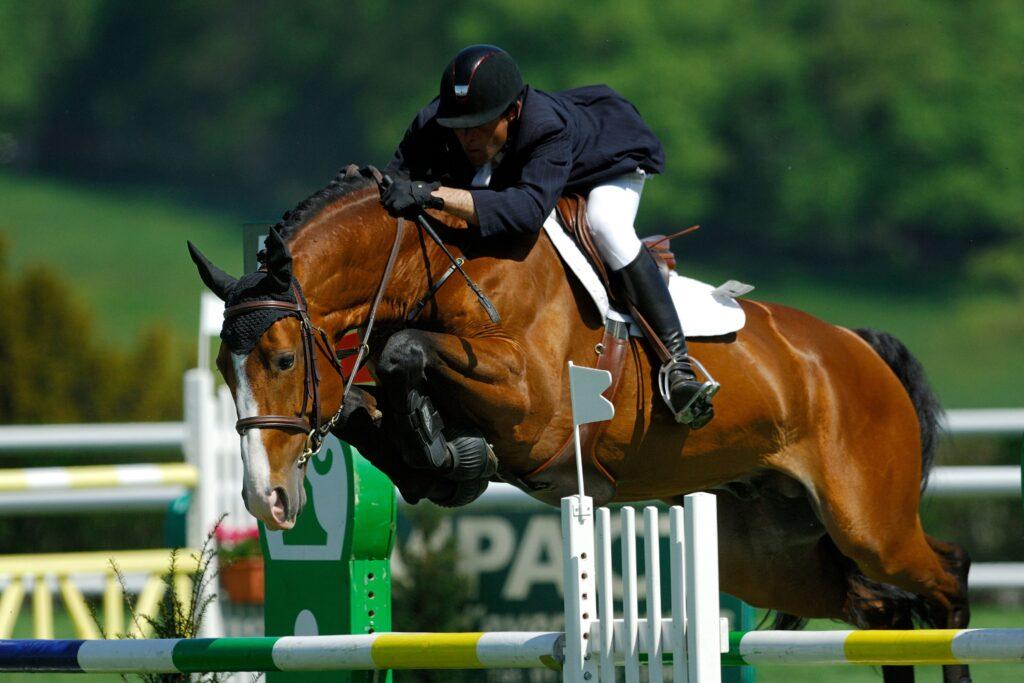
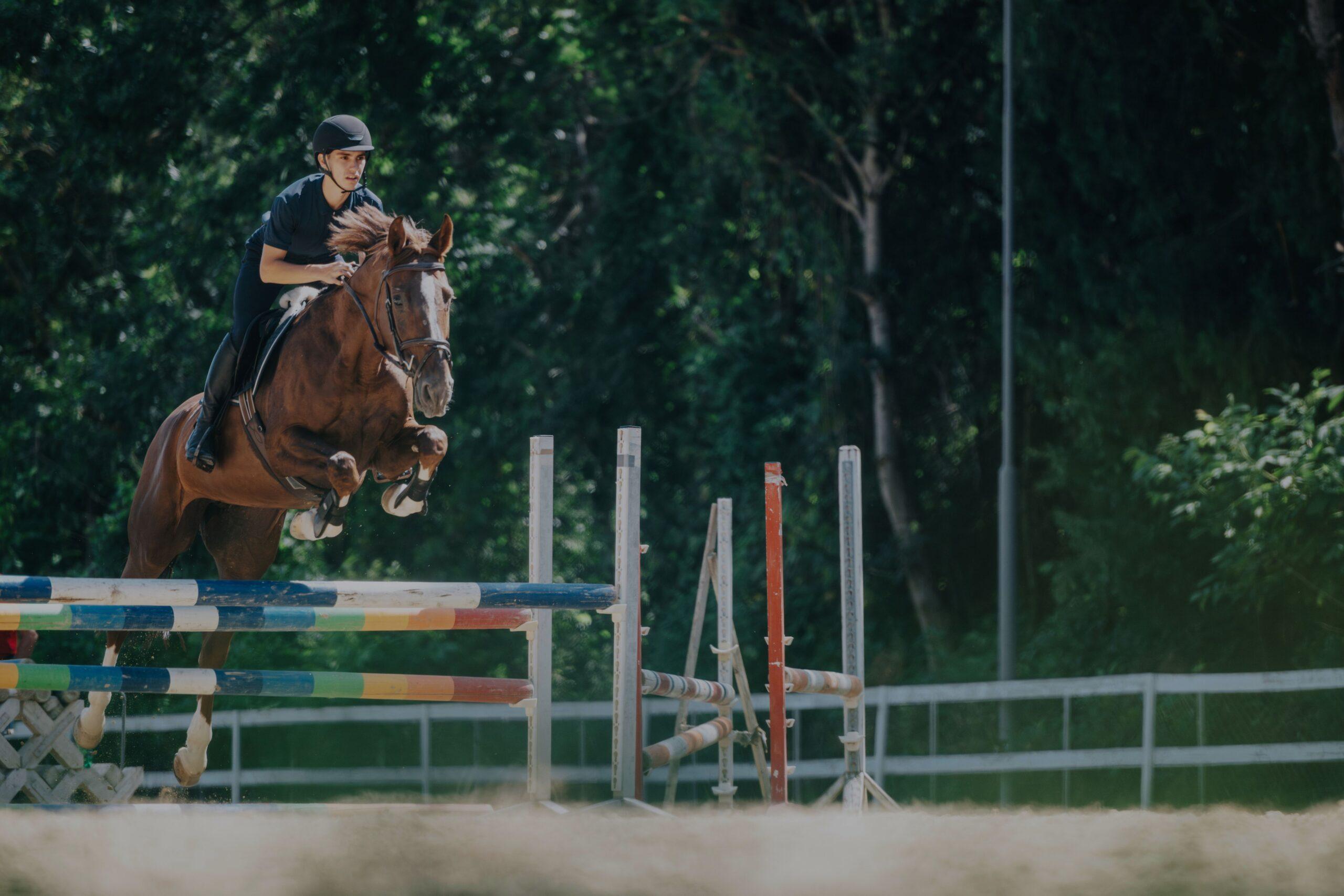
Riders dissect every phase of the jump. The take-off reveals organization, courage and push; the bascule shows technique; the landing uncovers recovery speed. A young prospect doesn’t need flawless form, but it must show willingness and a natural understanding of the task. Professionals watch mistakes closely: a horse that learns from an imperfect distance is far more valuable than one that panics. Sellers often provide multi-angle footage, which makes objective assessment easier.
Temperament and Trainability as Non-Negotiables
Experienced riders know: the mind decides the career. Sensitivity can be useful, panic not. A good prospect thinks, pauses, tries again. While browsing Jumping Horses for sale, professionals test how the horse processes new aids—quick learners give subtle signals early. Consistent handling and clear routines help buyers understand the true character of a developing prospect.
Training History and Management Practices
Pedigree matters, but only in combination with training. Professionals want to know who trained the horse, how often, and with which methods. They check for consistency rather than intensity; a four-year-old jumping like an eight-year-old often signals rushed schooling. When evaluating Jumping Horses for sale, riders ask for vet reports, shoeing intervals, feeding routines and turnout habits. Reputable stables such as Jens Wawrauschek Horses GmbH & Co. KG provide structured, transparent documentation, which gives buyers a reliable picture of a horse’s development.
Why Professional Buyers Trust Structured Testing
A single test ride rarely shows the whole truth. Professionals ride a prospect twice, sometimes in different arenas, to check adaptability. They vary lines, distances and pace to observe authentic reactions. Many high-quality stables allow this testing approach because they value long-term matches. With Jumping Horses for sale, such structured trials prevent later disappointment.
Checklist: Key Steps Before Contacting a Seller
| ✔️ | Evaluation Point |
| ☐ | Clarify your exact riding goals (height, competition level, development potential) before browsing Jumping Horses for sale. |
| ☐ | Define your non-negotiables: age range, temperament type, preferred riding feel. |
| ☐ | Prepare a realistic budget including vetting, transport and possible training costs. |
| ☐ | Check whether seller videos include everyday handling, not only highlight clips. |
| ☐ | Request information about turnout routine, feeding plan and handling habits. |
| ☐ | Ask for unedited warm-up footage to judge relaxation and self-carriage. |
| ☐ | Verify vaccination history and worming schedule to ensure consistent management. |
| ☐ | Request details about previous mileage: cross-training, hacking, exposure to shows. |
| ☐ | Ask for at least one video with a different rider to assess adaptability. |
| ☐ | Confirm the horse has been transported recently and ask how it behaved. |
| ☐ | Evaluate the seller’s communication style—transparent, slow, evasive or structured? |
| ☐ | Prepare a shortlist of precise questions to avoid emotional impulse decisions. |
| ☐ | Request confirmation that the horse can be tried in varied environments. |
| ☐ | Check availability of trial insurance options, especially for higher-value prospects. |
| ☐ | Ask whether professional guidance is welcome during test rides or vet checks. |
Strength in the Details
A truly promising prospect is more than scope or breeding—es ist das Zusammenspiel aus Körper, Kopf und Lernverhalten. Wer die Kriterien der Profis kennt, trifft ruhiger und sicherer Entscheidungen.FormularbeginnFormularende
Image source: fifranck, qunica.com, pavel1964, Adobe Stock